

;)
Container shipping is a reliable and efficient way to transport your cargo overseas. When it comes to shipping household goods, it provides affordable international moving rates and highlights the significance of various shipping methods. It provides a cost efficient alternative to shipping by air. That said, it does come along with risks and potential for product damage.
Ensuring your shipping container arrives safely begins with proper preparation. Read on to learn all about shipping containers overseas, common risks involved, and how to overcome them.
What Is Container Shipping?
Container shipping is a way to transport cargo in a large steel box known as a shipping container. Shipping containers are made in a standardized size to ship efficiently; many cargo boxes can be stacked and shipped together on a single method of transport.
These containers can be shipped on land by train or truck, or shipped overseas by ship. Typically, shipping a container overseas requires a combination of these shipping methods, including ocean freight, for your container to arrive at its final destination.
What Are Shipping Containers Used For?
Shipping containers are used for a wide selection of different products. These may include:
- Consumer goods: Apparel, electronics, household items, and other products directly used by consumers.
- Machinery: Smaller heavy machinery is packed into wooden crates and shipped by shipping container.
- Raw materials: Lumber, steel, textiles, and other raw materials are sent through the supply chain via shipping container.
- Perishable goods: Produce, meat, dairy, and other perishable foods can be safely sent in refrigerated shipping containers known as “reefers.”
- Chemicals: Chemicals are also sent in temperature-controlled shipping containers to prevent reactions.
- Pharmaceuticals: Both pharmaceuticals and pharmaceutical supplies can be sent via container.
Selecting the appropriate container types, such as 20-foot and 40-foot containers, is crucial for cost-efficiency and ensuring the safe transport of different products. The type of goods transported significantly impacts shipping costs, as efficiency in packing and loading the goods into containers plays a crucial role.
How Much Do Shipping Containers Hold?
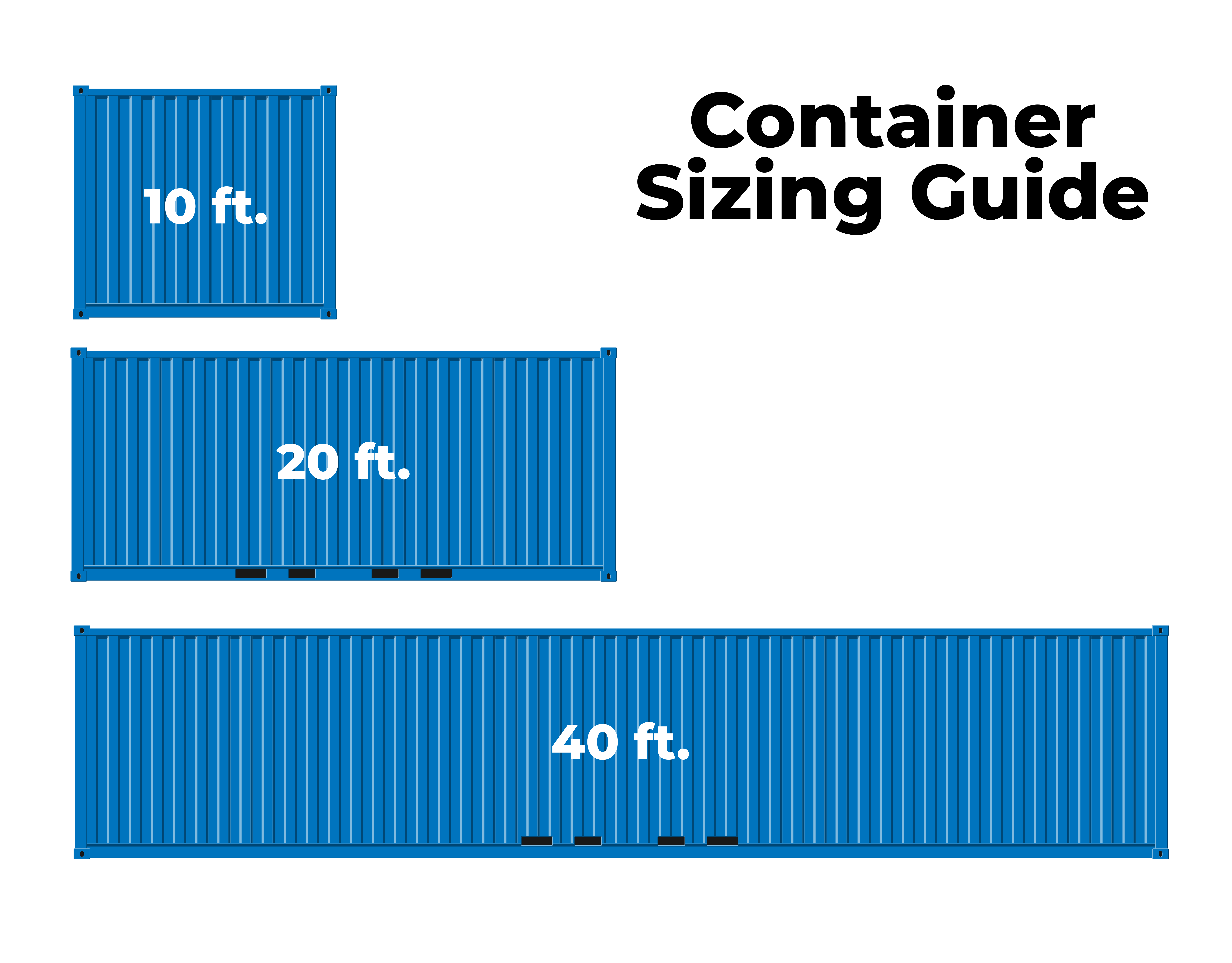
Understanding various container sizes is crucial when considering shipping costs for international moves. Shipping containers are built in a few different standard sizes. These include:
- 20-foot shipping container: Holds 1,172 cubic feet or 10-11 standard pallets
- 40-foot shipping container: Holds 2,390 cubic feet or 20-22 standard pallets
Understanding standard container dimensions is essential to ensure you select the right size for your specific shipping needs.
Benefits of Shipping Containers Overseas
There are so many reasons to choose shipping containers to ship your products overseas. These include:
- Globally compatible: Shipping container dimensions are standardized around the world. This allows them to easily ship globally on boats, trains, and trucks.
- Cost-efficient and cost-effective: As compared to shipping by air, a container costs much less to ship overseas. For heavy items, shipping by air can cost 4 to 7 times more than shipping in a shipping container. This makes shipping containers a cost-effective solution for transporting both personal belongings and commercial goods, especially during peak season pricing.
- Secure: Shipping containers are considered a highly secure method of transportation. Not only do they provide ample protection from the elements, but they are individually locked to prevent theft.
- Versatile: Shipping containers can be used to ship a range of different goods.
Common Risks of Shipping Containers Overseas
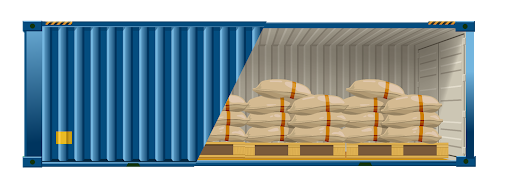
For all their benefits, there are several factors and risks involved with shipping containers overseas. Read on to learn what you need to be aware of if you decide to use this shipment method. There may be additional costs associated with mitigating these risks, such as insurance and specialized packing.
Moisture Damage
Moisture is a common concern in shipping containers. Although these containers provide ample protection, it is possible for moisture to form inside of them. Too much moisture in a shipping container can lead to mold and other types of product damage.
Moisture in a shipping container can be caused by:
- Container rain: Container rain is a common phenomenon when shipping by shipping container. When humidity gets too high in a shipping container, condensation can develop. Too much condensation can cause water droplets to literally rain on your product.
- Excess moisture in products: Moisture in your products comes from a few different places. A product with liquid inside it can incur damage during shipment, allowing liquid to seep out. Additionally, excess air left inside a package can condense and become moist. Either of these scenarios can lead to irreparable damage.
- Structural container damage: Moisture damage can also come from a damaged container. Cracks, corrosion, damaged seals, and other types of structural damage may allow moisture into your container as it travels overseas.
- Perishable goods: If perishable goods aren’t held at proper temperatures during shipments, they may rot and seep liquid.
Fragile items require specialized packing to prevent moisture damage during transit. Used containers, which are generally more affordable, can be more prone to moisture damage due to potential wear and tear.
Extreme Temperatures
Shipping containers can reach extreme temperatures without proper heating, cooling, and insulation. Temps inside your shipping container can range from -22 to 135 degrees fahrenheit, resulting in a number of different types of damage:
- Product damage: Extreme temperatures can damage a range of different products, from electronics to chemicals. Even non-perishable canned goods can become unsafe when exposed to temperatures over 100 degrees.
- Packaging damage: Plastic product packaging can also warp or melt in high heat.
- Water damage: As temperatures swing, they can create condensation inside your container, leading to moisture damage to your products and container.
During peak season, such as summer or Chinese New Year, these temperature variations can be even more pronounced, further impacting shipping logistics and costs.
Contamination
Contaminants are another common problem in shipping containers. These may include:
- Mold: Where there’s moisture, there’s a risk of mold. Microscopic mold spores are ever-present in our environments, looking for a hospitable environment. A moist shipping container presents the perfect conditions: water to drink and cardboard, wood, and other organic matter to eat. The smallest traces of mold can quickly grow into a colony under the right conditions.
- Pests: Insects and rodents can sneak into your shipping container through small cracks or gaps or may come from infested cargo. Either way, they can cause significant damage to your product.
- Residual chemicals: If not properly cleaned prior to use, residual chemicals from fumigation or previous shipments can linger in your shipping container and damage your cargo.
Contamination can lead to additional customs duties and inspection fees, increasing the overall shipping costs. Cleanliness in container ships is crucial to prevent such issues and ensure the safe transport of goods.
Planning and Preparation
If you want your overseas shipment to go off without a hitch, it’s important to invest time in proper planning and preparation. Putting the work in upfront can save you from product damage, shipment delays, and compliance issues down the line.
A freight forwarder can play a crucial role in this process by providing shipping rate calculators and helping you compare costs across different carriers.
Researching Reliable Shipping Companies
Your first task when shipping a container overseas is to find a reliable shipping company. Do research online, ask colleagues and other businesses in your industry, and look for reviews.
A reliable insurance company should have:
- Strong track record: Look for a shipper that doesn’t just have experience in overseas shipping, but direct experience in shipping the type of cargo you’re sending. This is especially important when shipping more sensitive goods like machinery, electronics, and chemicals.
- Comprehensive services: A great shipper packs and stores your cargo in addition to shipping it
- Customer support: If something goes awry, you’re going to want to speak with an actual person, not a bot. Look for a shipper who provides live customer support.
- Insurance: Talk to your shipper about their insurance policies. In the event of damage, what will they cover?
Choosing the right moving companies is crucial, especially for international shipping of household goods. They often use flat rack and open top container shipping methods to transport the belongings of a three-bedroom home.
Understanding Permits and Regulations
Depending on the type of cargo you’re sending and its destination, your shipment may require different permits and need to abide by regulations. These may include:
- Export license: Certain goods leaving the US require export licenses, like military items, dual use items (those used both commercially and by the military), and goods shipping to countries under embargo or sanctions.
- Import license: The country you’re shipping your goods to may also require an import license. This is common for agricultural products, pharmaceuticals, and chemicals.
- Bill of Lading: This document effectively transfers ownership from you to your shipment carrier. It provides details about the goods included in your shipment.
- Certificate of Origin: A legal document stating where the goods are from.
- Power of Attorney: This gives another entity the legal right to handle customs clearance on your behalf.
This is not a conclusive list of permits and regulations you may need for your shipment. It’s important to check all the requirements of your country of origin and country of receipt to ensure you have the right paperwork in place.
Understanding the required documentation is crucial for a smooth international shipment process. Compliance is especially important in an international move to avoid delays and additional costs.
Preparing Your Cargo for Shipment
Finally, it’s time to prepare your cargo for its journey. Follow these steps to ensure safe arrival:
- Inspect your container: Before loading any cargo into your shipping container, perform a thorough inspection. Ensure all ventilation and refrigeration, if included, is functioning properly. Check for any signs of damage. Confirm doors seal tightly. Remove any debris.
- Label clearly: If your products are fragile, hazardous, or need to be arranged in a specific way, label them as such.
- Load efficiently: Follow proper loading techniques for your cargo. Distribute weight evenly throughout the container with the heaviest items at the bottom and lighter items on top.
- Secure cargo: Use straps or ropes to secure goods to lashing points throughout your container.
Proper container load is crucial for international shipping logistics, as a full container load ensures speed, safety, and cost-effectiveness compared to Less than Container Load (LCL).
Container shipping prices can vary based on the type of cargo and the level of preparation required.
Tips for Shipping Containers Overseas
Follow these tips to protect your cargo no matter where its journey takes it. Understanding the complexities of global shipping can help in managing costs and ensuring a smooth shipping process.
Long distance shipping, such as from the USA to the UAE or from Los Angeles to China, can significantly impact the overall pricing of shipping containers due to factors like routes and container size.
1) Choose the Right Packaging
The correct packaging may make the difference between a safe arrival and total loss. Pack products according to this guidance:
- Lighter items: Pack in cardboard boxes. Fill gaps with bubble wrap, packing paper, peanuts, or use other forms of protection to prevent movement during shipment.
- Heavier items: Use wooden crates for greater protection. Always choose the smallest possible crate so your items fit snugly.
- Moisture-sensitive goods: Put in vacuum-sealed packaging or air-tight containers in case of excess moisture in your shipping container.
Additionally, ensure that personal belongings are packed securely to prevent damage during transit. Proper packaging is also crucial for other cargo, especially when space is limited in a 20-foot container.
2) Use Desiccants
Desiccants are materials that absorb excess moisture. They can lower the humidity in your container or absorb moisture that collects in its corners. Shipping container desiccants come in a range of formats, from desiccant bags that can be placed in the corners of your container to desiccant blankets that hang from your container’s ceiling and absorb container rain.
Desiccants are particularly useful in sea freight to manage moisture and prevent damage. Moisture control is also crucial in door to door delivery services to ensure the integrity of goods throughout the logistics process, especially in Lima.
3) Insulate Your Shipping Container
The metal walls of your shipping container are highly temperature sensitive and can undergo dramatic temperature fluctuations. To protect your goods, it’s important to add additional insulation in your container. Shipping container liners are among the most effective insulation methods.
These sleeves line the inside of your container and protect your cargo from extreme temperature fluctuation, container rain, and other types of damage. Proper insulation can also help in managing container shipping rates by preventing damage and reducing additional costs. Additionally, proper insulation is crucial for open top containers to ensure the security and efficiency of transporting goods internationally.
Overcoming Common Challenges
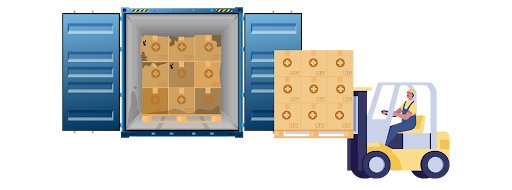
Don’t let common challenges derail your cargo shipment. Handle them with these tips.
Understanding the complexities of international container shipping can help in overcoming common challenges. Choosing the right full container load for your ocean freight shipping can be crucial in ensuring cost-effectiveness, speed, and safety, especially when transporting larger volumes of cargo.
Dealing with Delays and Damage
Delays can be common when shipping cargo overseas. Build flexibility into your shipment schedule by allowing about a week of buffer time for your shipment.
Damage can also occur despite proper preparation. If your shipment undergoes damage, document its condition and file insurance claims promptly. Delays and damage can increase the cost to ship, making it important to plan for contingencies. Having control over the entire container can help minimize these issues, as it reduces the risk of delays and damage by ensuring your cargo is handled with care.
Insurance and Liability Considerations
When shipping overseas, it’s important to have both cargo insurance and marine liability insurance:
- Cargo insurance: This protects your goods from loss, damage, theft, and other consequences that may prevent them from arriving.
- Marine insurance: Marine insurance covers your carrier in the event of an accident, pollution, or other environmental destruction that may occur during overseas shipment.
Using a container shipping cost calculator can help in estimating insurance and liability costs. Additionally, understanding international container shipping rates is crucial for accurately assessing insurance needs and managing overall shipping expenses.

Frequently Asked Questions
Which Documents Are Essential for Shipping?
Depending on the type of goods you’re shipping and their destination, a number of different documents may be required. This can include import and export licenses, a Bill of Lading, a Certificate of Origin, and a Power of Attorney.
Additionally, customs duties are an important consideration when preparing shipping documents. Accurate documentation for the delivery destination is crucial as it significantly influences the overall shipping costs and ensures smooth customs clearance.
Can Hazardous Materials Be Shipped in Containers?
Hazardous materials can be shipped in containers as long as they follow guidance and regulations. In order to ship hazardous materials, you may need:
- Intermediate bulk containers: These have a capacity between 120 and 550 gallons and are made for the industrial transportation of chemicals.
- Container Packing Certificate: This document certifies that your container has been packed according to regulations surrounding hazardous materials.
- Documentation: Additional documentation including emergency response information may be required.
Shipping costs for hazardous materials can be higher due to additional regulations and safety measures. It is important to use new containers for hazardous materials to ensure maximum safety and compliance with regulations.
Conclusion: Summarizing Best Practices for Container Shipping
To ensure safe delivery when shipping containers overseas, explore solutions from Eurolog Packing Group. We’re dedicated to the protection of your goods and offer solutions to all your shipping problems, from moisture control and temperature stabilization to contamination and other potentially damaging concerns.
Discover how we can help ensure your products arrive safely and see why we have a 100% customer satisfaction rating. Moving overseas requires careful planning and understanding of container shipping best practices. It is also crucial to stay up to date on best practices to adapt to any changes and ensure the most efficient shipping process.


