

;)
Damage to your cargo shipment is a worst-case scenario for many. Not only does it result in significant financial loss, but it can also strain your customer and client relationships and result in supply chain delays. To protect your product and your business, it’s essential to take measures to minimize damage while shipping cargo.
Learn all about cargo damage, including what causes it, how to prevent it, and more.
How do shipments get damaged?
Whether your cargo is traveling across the country or around the world, cargo damage can occur. This common challenge in the shipping industry can be devastating financially and damaging to your customer and client relationships. Proper warehouse conditions and layout are crucial in reducing cargo damages, as proper organization and cleanliness can prevent goods from being harmed.
Cargo that is improperly handled during transportation can suffer significant damage, compromising the container’s structural integrity. Additionally, adverse weather conditions can lead to severe issues such as containers being displaced or suffering water damage, particularly in ports exposed to extreme weather.
Common Causes of Cargo Damage
Cargo can be damaged at many points throughout its journey, from loading to shipping to unloading. Read on to learn common causes of cargo damage.
Improper handling during the loading and unloading of shipping containers is a leading cause of physical damage, affecting their structural integrity. Improper loading can also damage the container floor, as overloading or uneven weight distribution can cause the floorboard to sag or crack.
Additionally, rough seas can impact container stability during transport, leading to containers breaking loose from their lashings and potentially falling overboard, causing significant damage.
Corner castings are crucial for maintaining container stability, as these high-strength steel fittings located at the eight corners of shipping containers are essential for safe handling, stacking, and locking during transport.
Poor Padding
If products aren’t padded correctly, they can get damaged during shipment. This may be caused by insufficient cushioning and protection inside individual products, in cases of product, or in the shipping container itself. Wherever the breakdown is, too much movement may cause products to break.
Container Rain

Humidity is a significant issue for cargo shipments. Without proper ventilation, moist, hot air gets trapped inside your shipping container. When the humidity gets too high, condensation occurs. This creates a phenomenon known as “container rain,” falling droplets of water inside your shipping container.
Container rain leads to a host of issues. It triggers the growth of mold on products and packaging, damages electronic goods, and corrodes metal.
Extreme Temperatures
In warm regions in the dead of summer, the temperature inside your shipping container can soar as high as 135 degrees. Extreme temperatures like these cause damage to all kinds of goods. Food perishes, electronics overheat, batteries fry, chemicals become ineffective—even canned goods become no longer safe to consume.
Poor Loading and Unloading Techniques
In order to load and unload your cargo, properly trained forklift operators, along with workers using cranes and other heavy machinery, are essential. Improper loading can lead to uneven weight distribution and cargo swaying, ultimately causing structural harm to both the cargo and the shipping container itself.
The use of twist locks to securely attach containers to trailers is crucial, as improper use can lead to serious accidents and cargo damage during transportation. Poor handling, particularly during the loading and unloading of heavy lift equipment, is a significant cause of damage. If used incorrectly, these powerful tools may damage palettes, packaging, and containers.
Proper training is necessary to prevent accidents and damages during loading, unloading, and transportation processes. Products can be dropped, knocked over, or otherwise mishandled, causing significant damage.
Shipping Container Damage
Your cargo shipment is only as good as the container it’s shipped in. By that we mean, damage to your products may come from damaged shipping containers. If your shipping container has bad seals, dents, cracks, rust, or any other structural damage, you may risk the integrity of your entire shipment.
Container repairs are essential for maintaining operational efficiency within logistics and transportation systems. Standardized damage codes streamline processes and reduce ambiguity during damage reporting, leading to quicker lead times for container repairs and improved overall efficiency.
To ensure the safety of your cargo, it is crucial to perform necessary repairs on containers that have sustained damage. Damaged containers can be repaired and reused for storage or living spaces, disposed of through recycling, or handled with environmental considerations, such as removing hazardous materials before disposal.
The Difference between Cargo and Freight
The main factor distinguishing cargo from freight is your shipment’s transportation method. “Cargo” refers to goods that are transported overseas or by plane. “Freight,” on the other hand, refers to goods transported by land on trucks or trains.
Effective Packaging Techniques
Minimizing damage while shipping cargo begins with ensuring that goods are properly packed to withstand transit conditions. Follow these tips to safely and effectively package your products.
Additionally, it is crucial to ensure that cargo is secured properly within the container to prevent swaying and potential damage, especially in challenging conditions like rough seas. Properly securing the cargo inside containers helps prevent physical strain and potential damage during transport.
Labeling packages to indicate their capacity for added weight is essential. This helps shippers make informed decisions and ensures that the structural integrity of the package is maintained, preventing damage to fragile contents.
Choosing Quality Materials
It’s important to choose packing materials that are designed to protect the type of product you’re shipping. Use this list to guide your packaging choices:
- Corrugated cardboard boxes: A cost-effective choice for lightweight, fragile goods. Pack in cardboard boxes with additional protection as needed, like bubble wrap, packing peanuts, and other materials to add padding and prevent too much movement during shipment. For heavier items, consider double-walled or triple-walled boxes.
- Wooden crates: For large, heavy, and fragile items, wooden crates provide extra padding and protection. Appliances and other types of machinery do well in wooden crates. For optimal protection, use the smallest possible crate for your product’s size to prevent movement during shipment.
- Vacuum-sealed packaging: Perishable items, electronics, and medical supplies do best in vacuum-sealed packaging. Vacuum sealing removes excess oxygen, which staves off spoilage of perishable goods. A vacuum seal also prevents condensation from forming inside packaging and destroying your electronics.
While packaging may seem like an easy place to cut costs, don’t skimp on quality when it comes to these materials. High-quality packing materials may mean the difference between a shipment that arrives safely and one that arrives in shambles.
Securing Cargo Effectively
Once a product is loaded into your shipping container, it needs to be loaded correctly and effectively secured to minimize shipment damage. Securing a laden container properly is crucial to prevent damage during transportation. Follow these steps to do so:
- Secure cargo: Use straps or chains to secure cargo within your container. You’ll find lashing points throughout. Weave straps around cargo and tie securely to these points. Proper use of lashing materials is crucial to prevent physical damage during transport caused by various ship movements. Improper loading can also pose risks to other containers during transport.
- Fill gaps: Empty space allows products to shift, making for uneven stacks and cargo damage. Fill any empty gaps with wooden blocks, foam pads, or other space-filling materials.
Proper Loading and Unloading Procedures
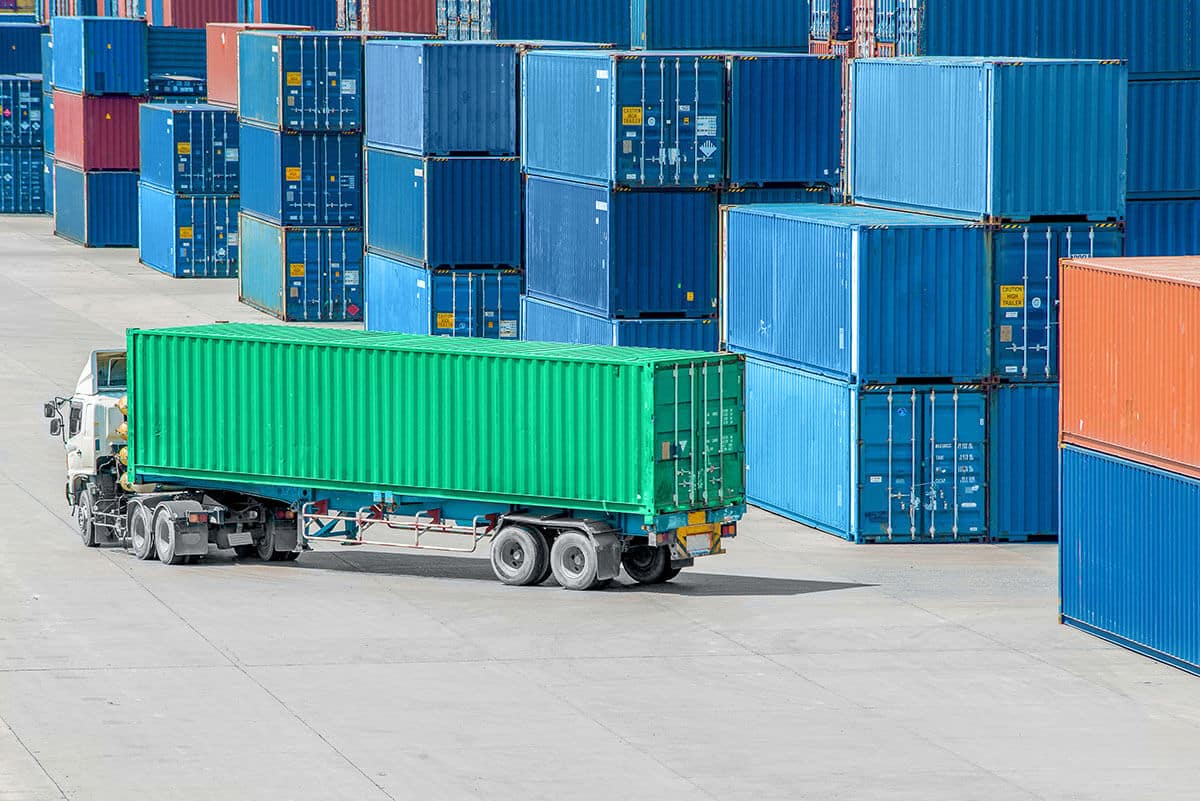
To avoid cargo and container damage while loading and unloading your shipping container, follow these proper procedures:
- Inspect your container: Before you begin loading your container, inspect it thoroughly for signs of container damage. Look for poor seals, cracks, rust, and other potential issues. If you can’t repair the damage, find a different container.
- Distribute weight evenly: Uneven weight distribution quickly causes containers to tip and shift, doing damage along the way. Load weight evenly throughout your container with the heaviest weight items at the bottom and lightest weight at the top.
- Only allow certified professionals to operate heavy machinery: Never let an inexperienced person unload your cargo using forklifts, cranes, and other heavy machinery. Proper use of material handling equipment is crucial to prevent damage and ensure safety. Proper handling by professionals is essential to avoid liability and ensure the safety of your cargo during shipping.
- Unload systematically: Be wary of weight distribution, stability, and other factors when unloading the container. Creating severe imbalance can cause stacks of products to fall over and lead to cargo damage. Human error, such as mislabeling and miscommunication, can also cause significant damage during loading and unloading. Ensure that containers are offloaded on a flat surface to prevent collapse and maintain stability.
Best Practices for Handling and Transportation
Each time your cargo is passed between handlers or transportation providers, a new opportunity for shipment damage arises. Use this guidance to minimize damage while shipping your cargo:
- Limit transfer points: Put your cargo on the most direct path possible with the fewest transfer points to prevent cargo damage.
- Choose reputable carriers: Look for carriers with a solid history of safe and timely deliveries. Again, it may be worthwhile to spend more upfront on a reputable carrier to minimize damage in shipment.
- Insure your shipment: In a worst-case scenario that your cargo is damaged, cargo insurance can help recoup losses.
Effective collaboration among all parties involved in logistics is essential to prevent cargo damage. This includes clear communication and teamwork to ensure timely deliveries and budget management.
Recognizing potential risks during transportation is crucial. By identifying these risks, proactive measures can be taken to protect both products and business relationships. When damage occurs, companies may face product and financial losses, highlighting the importance of risk assessment to mitigate potential damages.
Leveraging Technology for Cargo Protection
Today’s technology has propelled cargo protection forward by leaps and bounds. Explore these tools that help prevent shipment damage. Standardized damage reports are crucial for effective data analysis, allowing companies to identify damage patterns, reduce repair costs, and enhance the integrity of claims data.
Regular inspections are essential for maintaining container integrity, as they help identify issues like corrosion, dents, and structural wear, thereby extending the lifespan of shipping containers and preventing costly damage.
Monitoring Systems and Alerts
There are a host of sensors and tracking devices that can keep you abreast of potential damage to your shipment along its route. These include:
- Temperature and humidity sensors: Wireless monitors can alert you if your shipment gets too hot or becomes at risk of developing container rain.
- Tilt monitors: These measure the degree of tilt of your container. If your container becomes unbalanced or unsteady, you’ll be notified.
- Shock monitors: Shock monitors are designed to alert you of significant impacts to your goods. This can help you identify if product damage was a result of container or product mishandling while loading or unloading.
- GPS location: Track your shipment along its journey using a GPS locator.
Digital Logistics Tools
For those who frequently ship cargo, a digital logistics tool can be a huge help. These all-in-one platforms provide real-time tracking, data analytics, communications tools, and more into a single dashboard for a high-level overview of your logistics.
Managing Environmental Impacts
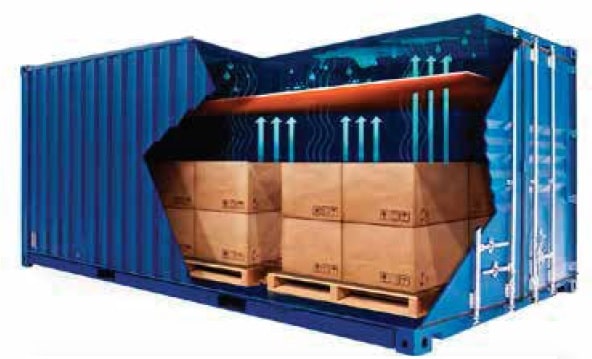
Of course, some cargo damage derives from factors totally outside of your control, like the environment. Take these steps to minimize damage to your cargo shipment from weather:
- Check seals: Your cargo container should have well-fitting seals around the doors, ventilation, and other openings to prevent extra water from seeping in in the event of a storm. Proper seals are crucial to prevent moisture damage, which can occur from condensation and temperature fluctuations.
- Cool your container: Things like reflective paint, shipping container liners, ventilation, air conditioning, and more can help keep your shipment cool during warm months and in high-heat locations. This will prevent heat damage to your products.
- Use desiccants: In the event that moisture does accumulate in your shipping container, shipping container desiccants can help absorb it before it causes damage.
Regular maintenance, including inspections and repairs, is essential to prevent environmental damage and prolong the lifespan of shipping containers.
Additionally, natural disasters such as hurricanes, earthquakes, and floods can cause significant damage to shipping containers and their cargo. Taking preventative measures can help mitigate the risks associated with these unpredictable occurrences.
Container yards serve as crucial locations for storing and processing containers before they are dispatched for shipping or returned. Proper handling and yard conditions are essential to prevent damages that can occur both within the yard and during subsequent transport.

Frequently Asked Questions
What Are the Primary Causes of Cargo Damage?
Cargo damage can come from a range of sources. During loading and unloading, inexperienced forklift and crane operators may drop or knock over products, especially when handling heavy loads. They also may distribute weight poorly, causing instability inside your container. Products need to be padded correctly, too.
Too much empty space or poor-quality packing materials can lead to damage. Lastly, cargo damage can be caused by the elements, like extreme temperatures, condensation, and more. Accidents due to inadequate training and improper loading practices can also result in significant damage to containers, goods, and potentially public property.
How Can Packaging Methods Be Improved?
Always select packaging that corresponds with your products. While lighter items can be packed in cardboard, heavier items require wooden crates and other heavy-duty packaging. Perishable goods should be vacuum sealed whenever possible.
Generally speaking, you should always choose the smallest possible packaging for your products. Leaving too much space inside a package can allow your goods to shift during transit, which often results in physical damage.
Fill empty space with packing paper, peanuts, bubble wrap, or other padding materials. Ensure that cargo is stacked properly to prevent shifting or collapsing during transportation, which can lead to damage.
Which Technologies Help Monitor Cargo Condition?
Look to the following technologies to monitor your cargo as it travels to its destination:
- GPS: Keep abreast of your shipment’s location at all times.
- Thermometer and hygrometer: Measure both the temperature inside your container and its humidity levels.
- Shock monitor: Informs you if your product has been dropped or experienced other significant impact.
- Tilt monitor: Measures the degree of tilt of your cargo container.
Conclusion: Final Strategies to Reduce Shipping Damage
For the best cargo protection available, discover Eurolog Packing Group. With the help of our shipping solutions, we ensure your goods make it to their final destination unscathed. Let us find a custom solution tailored to your needs to help minimize damage to your precious cargo.


