

;)
If you need to ship dangerous chemicals to another city, state, or even continent, there are some important things you need to know. It is crucial to understand the concept of prohibited materials, emphasizing the importance of knowing what cannot be shipped due to safety and regulatory concerns.
As its name suggests, dangerous goods shipping can be exactly that—dangerous—so, it’s essential to know best practices in order to keep yourself, others, and your cargo safe. As the shipper, it is your responsibility to not only be trained on shipping dangerous goods, but also to follow the rules set forth by carriers and other governing bodies. Following these guidelines ensures that the shipping process is carried out in a compliant manner.
Read on to learn everything you need to know about shipping dangerous chemicals and other hazardous cargo, including guidelines to help you pack your shipment items safely.
What Qualifies as a Dangerous Good?
A dangerous good isn’t just something that gives you pause. There’s a legal definition that differentiates dangerous goods from other materials. According to the Secretary of Transportation, a dangerous good is a substance or material, including hazardous substances, that the Secretary of Transportation has determined is capable of posing an unreasonable risk to health, safety, and property when transported in commerce.
Materials designated as dangerous goods must be properly classified, packaged, and comply with regulations to ensure safety. The Department of Transportation designates goods in nine different classes as dangerous. These include:
- Explosives: Flares, fireworks, and airbag modules are explosive and must be designated as such.
- Gases: Aerosols, propane, compressed air, nitrous oxide, and other flammable and non-flammable gases are considered dangerous goods.
- Flammable liquid and combustible liquid: Paint, nail polish, acetone, alcohol fall into this category.
- Flammable solid, spontaneously combustible and dangerous when wet: Phosphorus and matches are considered flammable solids.
- Oxidizer and organic peroxide: Fertilizers are dangerous goods.
- Poison (toxic) and poison inhalation hazard: Pesticides, chlorine, and carbon monoxide are poisonous or pose inhalation hazards.
- Radioactive: Amercurium, plutonium, uranium, and radium are radioactive substances considered dangerous for shipping.
- Corrosive: Bleach and drain cleaner are designated as dangerous goods.
- Miscellaneous: Magnets, lithium batteries, and dry ice can pose risks and are dangerous.
If you’re unsure whether the products you’re delivering are hazardous goods or not, request a Safety Data Sheet from the manufacturer or supplier (SDS).
What Dangerous Chemicals Are Usually Shipped?
A range of different chemicals may be shipped by air, sea, or land. Lithium metal and lithium ion batteries are commonly shipped hazardous materials that require specific handling and compliance with regulations.
Industrial chemicals used for manufacturing like sulfuric acids, nitrogen, and sodium hydroxide, radioactive material used in healthcare like uranium hexafluoride and cobalt-60, and other dangerous chemicals are shipped around the globe for a range of different purposes. Each of these chemicals carries risks and must be handled safely.
How Does Handling Safe and Dangerous Chemicals Differ?
Non-hazardous chemicals only require standard shipping procedures. These chemicals should be stored in water-tight containers to prevent mold or other types of moisture damage. Include shipping container desiccants to prevent contents from sweating and absorb any excess moisture that may accidentally seep out.
These hygroscopic compounds trap moisture in the air, lower the dew point, and keep things dry. It’s a good idea to use a combination of desiccant bags, blankets, and other desiccant solutions to prevent moisture damage.
When it comes to shipping hazardous chemicals, there are many more regulations in place. Certain hazardous materials can be shipped under relaxed restrictions when they qualify as limited quantities, but still require proper labeling and packaging.
Chemicals must be put in specific containers, be shipped at specific temperatures and with proper ventilation, be designated, and be handled by people with proper training. Hazardous chemicals must also be properly labeled to ensure safe handling and compliance with regulations. Learn more about how to ship dangerous chemicals below.
Understanding Regulatory Requirements
Because of the dangers associated with shipping hazardous materials, there are a range of different shipping regulations in place to prevent disaster. Read on to learn both domestic and international regulations and requirements surrounding shipping hazardous cargo.
It is essential to comply with federal hazardous materials regulations to prevent disasters and ensure safe transportation.
Understanding quantity limitations is crucial to ensure compliance with shipping regulations. These limitations dictate the classification and packaging of various hazardous materials to meet federal regulations, as outlined in the Hazardous Materials Regulations and its relevant sections.
Domestic Guidelines
Within the US, federal law surrounding shipping dangerous chemicals falls under the U.S. Department of Transportation’s Hazardous Materials Regulations. This document outlines how dangerous materials should be transported by land, air, or sea. It also details how dangerous chemicals should be identified, packaged, documented, handled, and other pertinent information.
The 49 CFR plays a significant role in outlining critical protocols for shipping and handling hazardous materials, ensuring compliance with federal laws.
Properly packaging hazardous materials packages is crucial to comply with federal guidelines. Shippers and carriers must ensure that hazardous materials are classified, labeled, and packaged according to performance-oriented standards to avoid violations and ensure safety.
In addition to federal guidelines, states may have their own guidance surrounding the transportation of dangerous chemicals. If your shipment is traveling through a state that has its own guidelines for shipping hazardous cargo, you’ll need to follow those guidelines—even if that state is not your shipment’s final destination.
International Guidelines
Many international governing bodies also have guidelines on how to ship dangerous chemicals. If your shipment is traveling internationally, you’ll need to abide by those guidelines, too. International regulations surrounding shipping dangerous chemicals include:
- The International Air Transport Association (IATA) Dangerous Goods Regulations: This guidance determines which dangerous chemicals can be shipped by air and how they need to be classified, packed, handled, and more.
- The International Maritime Dangerous Goods (IMDG) Code: Originally developed for safe transportation and to prevent environmental damage, the IMDG code lays out requirements regarding packaging, transporting, and storing dangerous chemicals when shipping internationally by sea.
- The Globally Harmonized System (GHS) of Classification and Labeling of Chemicals: Adopted by the UN in 2023, this sets internationally-used standards for classification and labeling of dangerous chemicals.
It is also crucial to follow the ICAO Technical Instructions for the safe transport of hazardous materials by air. These instructions ensure that hazardous materials are appropriately packaged and documented according to global standards, particularly for air transport. The International Civil Aviation Organization (ICAO) plays a significant role in establishing these standards, ensuring safety procedures are adhered to when shipping dangerous goods by air.
Guidelines For Shipping Dangerous Chemicals
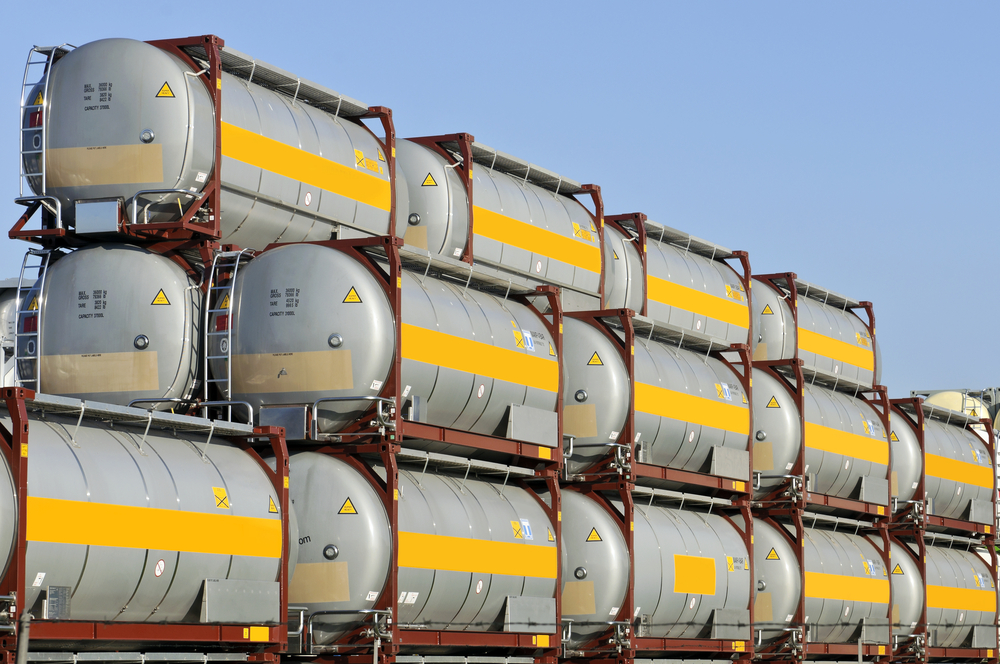
As the shipper, it’s your responsibility to follow all guidelines for transporting hazardous materials set forth by the governing bodies in the locations your shipment will travel through. Follow this guidance to safely ship your chemicals.
In hazmat shipping, it is crucial to adhere to regulations and safety protocols to ensure proper labeling, packaging, and compliance, thereby mitigating the risks associated with transporting hazardous goods.
Identify Dangerous Goods
The first step in safely shipping dangerous chemicals is identifying your chemicals’ requirements. The Department of Transportation’s Hazardous Materials Table helps you determine the specific transport requirements of your dangerous chemicals. It includes columns to determine what methods of shipment you can use, how to name your shipment, how to classify it, how to pack it, and other pertinent information.
Including a basic description in shipping documents is essential to ensure that hazardous materials are properly classified and described. This includes specifying the proper shipping name, hazard class, identification number, and packaging group on the shipping paper.
Including an identification number on shipping papers is crucial to ensure compliance with regulations and facilitate the safe transportation of hazardous goods.
Pack Dangerous Goods Properly
Depending on how and where you’re shipping your hazardous cargo, you’ll need to follow certain shipping specifications. Chemicals and other dangerous items are extremely susceptible to environmental changes, which can pose a serious safety threat to everyone and everything on board. It’s important to utilize smart packing solutions to protect the integrity of your items, the environment, and the people handling them.
Using appropriate outer packaging provides an additional layer of safety during transportation, ensuring that hazardous items are securely contained. Certain non-specification packaging can be used in commerce while still adhering to some regulatory requirements.
Depending on what and how you’re shipping, you’ll need to use containers compatible with your chemicals. They should have airtight lids and clean exteriors without chemical contamination. Some chemicals may need double packaging for an added layer of protection. Finally, they’ll need to be labeled externally.
Label Hazardous Materials Accordingly
In order to protect people and other cargo from potentially dangerous situations, you must label hazardous materials appropriately with a shipping label. By communicating the hazardous nature of the contents on the exterior of the container, workers will be able to handle dangerous goods more carefully, and if necessary, facilitate any extra precautionary measures as needed.
It is crucial to adhere to specific labeling requirements as mandated by the Hazardous Materials Regulations, including proper labels, markings, and signage necessary for safe transport.
Make sure to accurately identify all dangerous goods. For proper naming conventions, refer to the Globally Harmonized System, which is universally used by the US, Canada, the EU, China, Japan, South Korea, and numerous countries in Central and South America.
Keep in mind, different types of carriers (i.e. air and sea freight) have unique rules that dictate how dangerous goods should be handled, so make sure to review their resources before labeling their items.
Document Shipment
Along with identifying labels, you’ll need to include proper documentation along with your shipment. Hazardous chemicals require a number of different documents to ensure safety and accurately identify their contents. These include:
- Safety Data Sheet: This gives detailed information about each chemical, safe handling procedures, and emergency response information in the event of contamination or leak.
- Hazardous Materials Shipping Papers: These include information about you and your consignee, the hazardous materials included, and emergency response information.
- Emergency Response Information: You’ll also need to include separate documentation of emergency response information for your carrier.
- Special Permits or Approvals: Additional permits may be needed for your shipment. In some cases, you may need a permit issued by the Pipeline and Hazardous Materials Safety Administration (PHMSA) before you ship your dangerous chemicals.
- Emergency Contact Information: Including emergency contact information is crucial for the carrier to ensure that shipments are processed smoothly and without delays.
Safety Precautions and Emergency Procedures
In addition to ample information on how to prevent an emergency, shippers be prepared in the event of an emergency. It is crucial to prepare for emergencies not only to protect transport employees and facilities but also to ensure the safety of emergency responders who may be called to deal with incidents involving hazardous materials. This includes:
- Emergency procedure information: Detail out what exactly to do in the event of an emergency. Include information like who your carrier needs to call and what kind of protocol they need to follow.
- Spill kits: Provide spill kits complete with PPE and neutralizing agents. These can be used in the event of a spill during loading and unloading.
- Training: Anyone who handles hazardous chemicals needs to be properly trained. They’ll need to know the risks, proper handling, and what to do in an emergency.
Proper training requirements for individuals handling hazardous materials are essential. This includes general awareness, function-specific training, and safety training to comply with federal regulations. Documenting these training sessions is also crucial for legal compliance.

Frequently Asked Questions
What Are the Essential Packaging Requirements?
Again, specific packaging requirements will vary based on the chemicals you’re shipping and the method by which you’re shipping. Generally speaking, you’ll need to follow these steps:
- Consult the Hazardous Materials Table (HMT) to classify your materials.
- Package according to the guidance in the HMT. It is crucial to select appropriate packaging materials to ensure the safe transport of hazardous materials.
- Label your package accurately
- Prepare proper documentation
How Do Carriers Ensure Compliance?
While many responsibilities when shipping dangerous chemicals fall on the shipper, some fall on the carrier, too. It’s the carrier’s responsibility to ensure shipments are prepared correctly before accepting them. They’ll also need to properly train their employees to handle hazardous materials. If they aren’t compliant with these requirements, they may face penalties.
Remaining compliant with applicable regulations is crucial to ensure the safe and legal transportation of hazardous materials.
Major carriers, such as UPS, FedEx, and DHL, play a crucial role in ensuring compliance with hazardous materials shipping regulations. Leveraging partnerships with these major carriers can facilitate efficient shipping processes, particularly for e-commerce brands dealing with HAZMAT products, both domestically and internationally.
What Should an Emergency Plan Include?
An emergency plan for your chemical shipment should include:
- Information on how to contain and safely clean up spills
- What type of PPE is required in the event of an emergency
- How to provide first aid in the event of chemical burns, inhalation, or other accident
- If evacuation is necessary and how to evacuate
- Emergency response teams and chemical specialists to contact
- The importance of including emergency contact information
Preparing for emergencies is crucial to protect transport employees, facilities, and emergency responders.
Conclusion: Ensuring Safe and Compliant Shipments
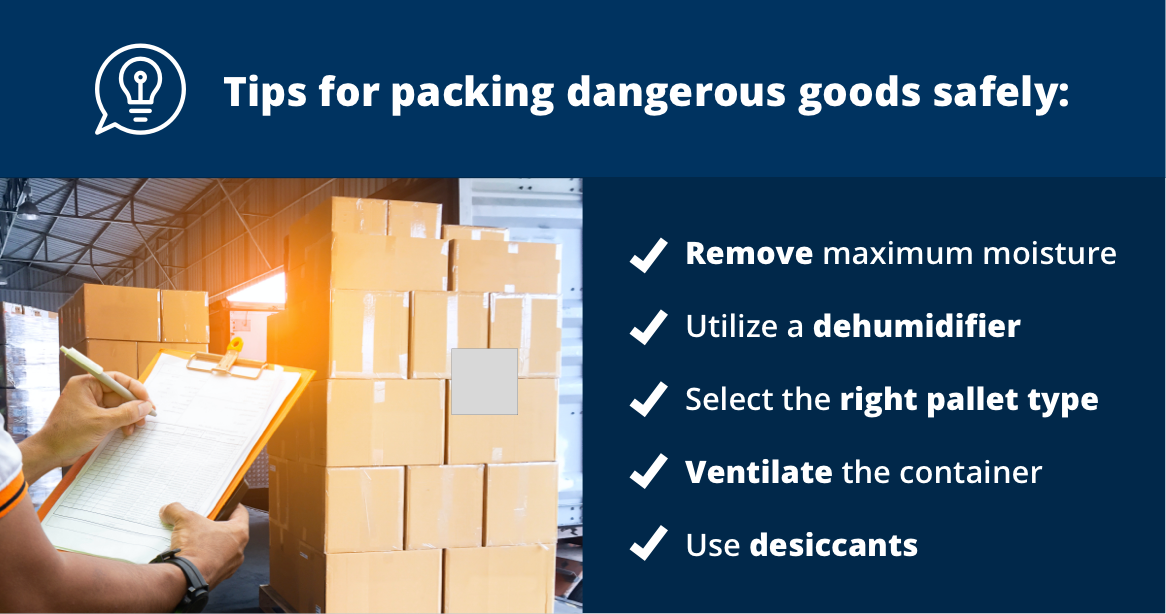
Our final tip? Work with a professional packing group. At Eurolog Packing Group, we specialize in safe and smart packing solutions to keep your shipment protected throughout transit. Our creative and custom solutions address issues such as physical damage, changes in container climate, water damage, and more.
With our expertise, you can not only learn the ins and outs of dangerous goods shipping and safety protocols, but also rest assured that your goods will be packed securely to prevent cargo loss.
Contact us today to learn how Eurolog Packing Group can help you find shipping solutions that are smart, safe, and compliant.


