

;)
Exporting temperature-sensitive goods means proving that, at every step, your products maintained a safe temperature range. This guide walks through what cold chain food export compliance involves: regulatory standards, common concerns, necessary documentation, and packaging requirements.
What is Cold Chain Food Export Compliance?
Perishable food products are kept fresh by adherence to a series of temperature-controlled stages, known as the cold chain. From the moment a perishable food is harvested, processed, or prepared, to the moment it reaches grocery store or restaurant shelves, it needs to be held a a certain temperature range to ensure its freshness and safety.
Food exports are considered to be cold chain “compliant” when it can be proven that the cold chain was maintained throughout each stage of the food’s life. Compliance isn’t as simple as saying the cold chain was maintained, but providing records that prove it.
Why Cold Chain Food Export Compliance Matters
There are a few reasons that documented compliance is essential when it comes to food exports:
- Food safety: Without temperature control, perishable foods can be subject to bacteria growth, spoilage, and quality loss that can render them unsafe for consumption.
- Invisible risks: Determining a product’s freshness isn’t as simple as looking at it or making sure it’s cold. A product may appear fine and safe to consume, but if the cold chain was broken days ago, it may have undetectable bacteria or other damage that can lead to illness.
Compliance Regulations for Food Exporters
Cold chain food exports from the United States are governed by several rules, all of which exporters must adhere to. These rules require sufficient documentation from everyone along the cold chain, including the production facility, transportation providers, packaging suppliers, and local certifying authorities. They include:
- FSMA Sanitary Transportation of Human and Animal Food: Shippers, carriers, and receivers must use sanitary transportation practices and maintain the temperature conditions food needs during transit. Shippers and carriers must agree in writing to each shipment’s temperature requirements and carriers must demonstrate they’ve maintained those conditions.
- FSMA Food Traceability Rule: Foods that are particularly susceptible to foodborne illness, like leafy greens, soft cheeses, eggs, nut butters, and more must have a secondary record kept, which can be handed to the FDA within 24-hours of request.
- Requirements from destination countries: Each importing country can add its own requirements for cold chain compliance. The EU requires a certificate that fresh fruits and vegetables are free of pests and a health certificate for animal products. Other destinations have other requirements.
Cold Chain Compliance Concerns by Shipment Stage
Each step of the cold chain has its own documentation requirements and presents a new opportunity for compliance failures:
- Pre-cooling and packaging: For cold chain food export compliance, products need to be brought down to a certain temperature range before being loaded into shipping containers. Insufficient pre-cooling is one of the most common causes of cold chain failure. Keep documentation proving the product reached its target temperature range before it was loaded, as well as the packaging or insulation used.
- Transport to port: Typically, land transport from the production facility to the port is handled by a different carrier than the export carrier. Sufficient documentation is required from each to prove the cold chain was maintained. Keep a temperature log for the carrier and handoff documentation.
- Storage at port: Containers can sit at a port for days before being loaded onto a ship. Refrigerated storage or a refrigerated shipping container are essential. Keep records of storage location, whether refrigerated storage was used, and for how long.
- Ocean transit: There are many opportunities for the cold chain to be broken while in transit. Mechanics fail, power connections are lost, and oftentimes a problem isn’t discovered until the product reaches its destination. Keep a continuous temperature log.
- Last-mile delivery: Once the product arrives at its destination, the cold chain isn’t complete. It may move through a range of different carriers. At each handoff, there’s an opportunity for the cold chain to be broken. Keep records of the temperature of the product when it arrived and any present exceptions.
Packaging for Cold Chain Food Export Compliance
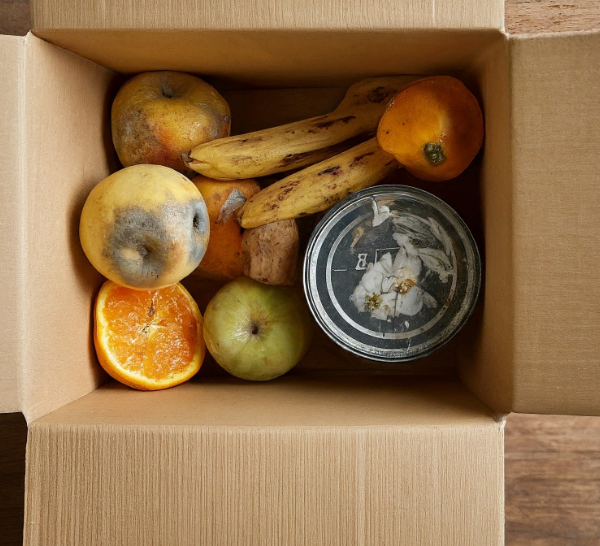
Packaging is frequently treated as an afterthought compared to transportation, but it’s just as essential as proper handling and transit. While a temperature log can tell you about the temperature inside a truck or container, it can’t tell you how well the packaging resisted heat transfer or whether it can maintain temperatures in the event that refrigeration fails. These types of questions are just as essential.
What to Look for in Cold Chain Packaging and Suppliers
When evaluating packaging and suppliers for cold chain food exports, look for the following:
- Independent testing standards: Rather than just taking their word for it, ask your cold chain supplier if they comply with generally recognized testing standards, like ASTM testing. These test packaging materials in a range of temperature settings.
- Similar testing conditions: Ask whether your supplier has tested packaging in conditions similar to your shipping route. Packaging that can maintain cold chain on short, domestic routes may not be able to do so during overseas shipment.
- Sufficient documentation: Your supplier should be able to supply documentation and records upon request. If your packaging supplier has to scramble to provide documentation, it’s a red flag.
Partner with EPGNA for Cold Chain Compliance
Cold chain compliance requires the coordination of countless partners: on-land carriers, ports, overseas carriers, and last-mile delivery services. One significant partner that is often overlooked, however, is your packaging supplier. The right packaging supplier can provide solutions that support each step of the cold chain, and may even step in when another step fails.
For a packaging supplier that understands the significance of cold chain compliance for food exports, partner with EPGNA. Our Temcore blankets, liners, and covers add a thermal barrier for your food exports, with the ability to hold temperature within 1°F per hour. Ensure your food exports arrive safely. Contact us today to get started.


