

;)
When it comes to container shipping, pharmaceutical products are among the most regulated cargo. It’s no wonder why; a single temperature swing can render vaccines and drugs ineffective and even put patients at risk. For pharmaceutical manufacturers and shippers, pharma cold chain compliant packaging is a must.
Read on to learn what pharma cold chain compliant packaging involves, the regulations that dictate it, and the packaging materials that ensure your shipments reach their destination safely.
What is Pharma Cold Chain Compliant Packaging?
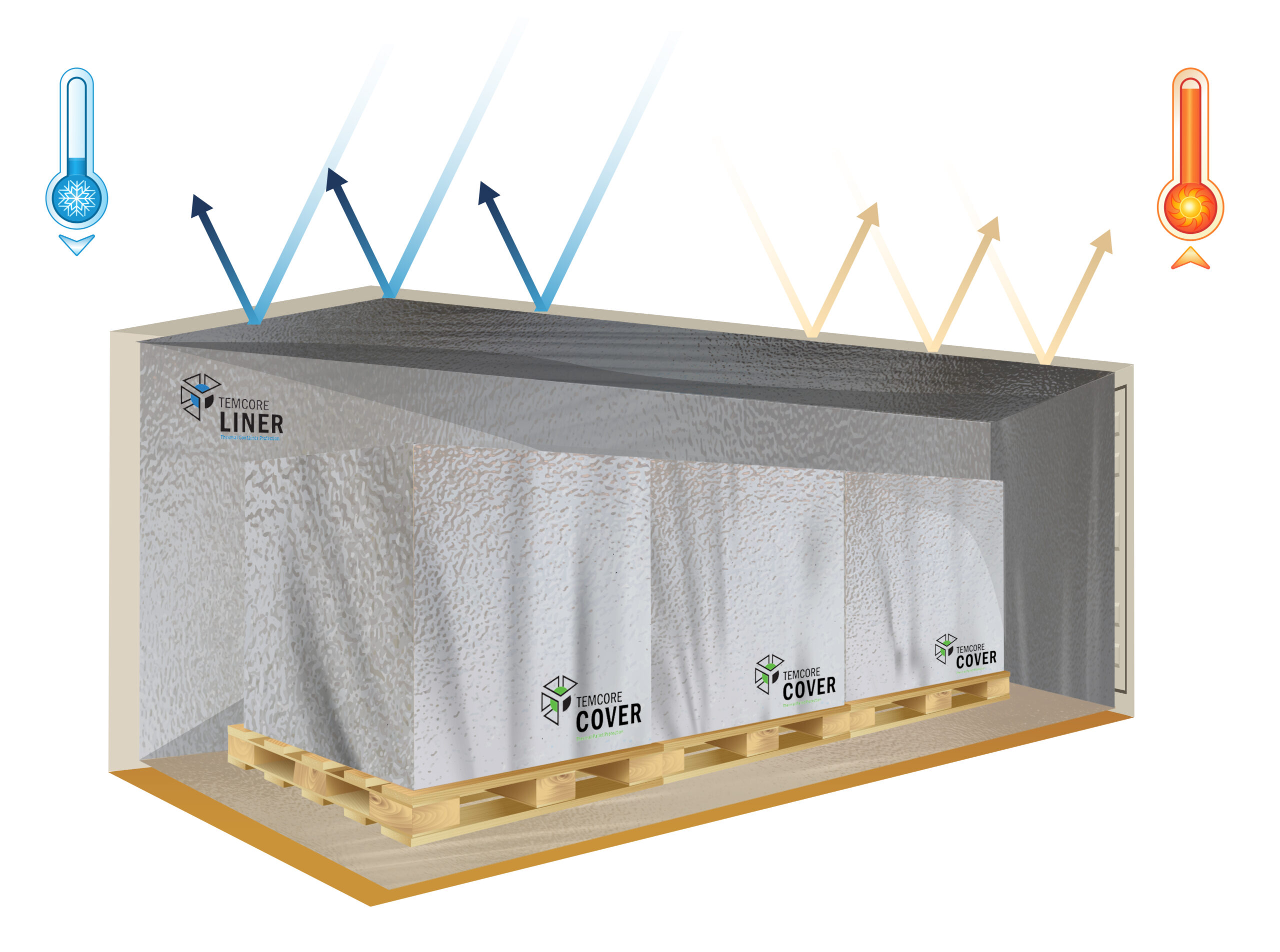
Pharma cold chain compliant packaging is packaging materials for pharmaceutical products during shipment. They’re designed to maintain the required temperature range throughout the entire shipping process, ensuring product safety. Compliant packaging includes both the direct product packaging and products that maintain the temperature of the overall shipping container.
These packaging requirements apply to a wide range of temperature-sensitive pharmaceutical products, from vaccines and insulin to diagnostic items and pharmaceutical drugs. Each product has a specific acceptable temperature range for both storage and transport. It’s the responsibility of the manufacturer and shipper to maintain these temperature ranges.
Pharmaceutical Cold Chain Regulations
Numerous regulatory bodies impose specific standards that dictate manufacturers’ and shippers’ approaches to pharmaceutical cold chain compliant packaging. Depending on pharmaceuticals’ country of origin and shipping destination, different regulations may apply.
FDA 21 CFR
The US Food and Drug Administration addresses pharmaceutical cold chain requirements in Title 21 of the Code of Federal Regulations (21 CFR). According to these regulations:
- Drug manufacturers must establish and follow written procedures for maintaining the cold chain.
- It’s the shippers’ responsibility to ensure shipping equipment maintains the proper temperature throughout its entire journey.
EU GDP
The EU’s Good Distribution Practice (GDP) guidelines require that pharmaceutical products stay within the approved temperature range at all times. To prove this, they require that:
- Pharma cold chain packaging is rigorously tested to ensure performance.
- Shipments include thermometers and other temperature monitoring devices to prove the cold chain was maintained.
WHO Technical Report Series
The World Health Organization imposes a multi-stage qualification process for pharma cold chain compliant packaging:
- The shipping container’s design must meet established requirements.
- Packaging must be lab-tested to prove efficacy and reliability.
- Packaging must also be real-world tested or tested in simulations.
Temperature Ranges and Product Requirements
Pharmaceutical products generally fall into three main categories of acceptable temperature range:
- Controlled room temperature: 59°F to 77°F
- Refrigerated: 35°F to 46°F
- Frozen: 5°F to -13°F or below
Each of these temperature requirements presents different packaging challenges. While controlled room temperature products have the fewest packaging requirements, they’re still susceptible to heat waves and require protection on hot loading docks. Refrigerated products require continuous cold chain management. Frozen products are the most sensitive. They require specialized insulation.
Key Requirements for Pharma Cold Chain Compliant Packaging
Cold chain compliance regulations set forth a wide range of requirements, from temperature control to documentation, testing, and more.
Thermal Protection
The primary goal of pharmaceutical cold chain compliant packaging is to maintain a consistent temperature and protect pharmaceutical products from temperature swings. Packaging must maintain the required temperature range for the transit duration, plus allow buffer time for potential delays.
Documentation and Traceability
Shippers must document their cold chain maintenance systems and demonstrate that they can protect their products. To do so, they must provide proof that packaging is qualified to protect pharmaceuticals and maintain records that show packaging was used correctly. On top of that, they must employ temperature monitoring devices in every shipment and provide all data captured by those devices.
Consistency and Repeatability
It isn’t enough to prove that pharmaceutical cold chain packaging met requirements once. Packaging solutions must undergo repeated testing to show that results are repeatable with minimal variation. Then, shippers must put protocols in place that ensure packaging is used consistently and correctly every time
Contamination Prevention
When it comes to pharmaceutical shipments, protecting products from contamination is as important as maintaining temperature control. Pharmaceutical cold chain compliant packaging must also create a sealed environment to reduce the risk of contamination and moisture accumulation, both of which can render pharmaceuticals ineffective and even dangerous.
Packaging Solutions for Pharma Cold Chain Compliance
Selecting the right packaging is essential to maintaining cold chain compliance. Finding the right solution depends on the product’s compliant temperature range, shipping route, container type, and transit duration.
Temcore Blankets
Temcore blankets are insulated thermal blankets designed to be draped directly over the top of pharmaceutical cargo. They’re made with high-grade aluminum to minimize heat transfer to cargo and help maintain consistent ambient temperature in shipping containers. Temcore blankets are particularly useful for protecting pallets of pharmaceuticals as they travel by land to their final destination, or when cargo is staged on loading docks.
These cargo blankets provide a simple solution with the durability to be used over and over again. Simply throw them over a pallet for easy protection.
Temcore Covers
When a bit more protection is required, choose Temcore covers. These pallet covers are made from the same high-grade aluminum as Temcore blankets, but completely encase pallets to provide more complete temperature protection. They’re designed to maintain stable temperatures within 1 degree per hour.
Temcore Liners
Temcore liners provide temperature protection for the entire shipping container. Their 5-layer design reduces temperature spikes and maintains stable interior temperatures. These thermal container liners sit just inside a shipping container, providing a sealed, temperature controlled chamber. In addition to maintaining the cold chain, they prevent contamination, pests, and moisture damage. Temcore liners are easy to install and designed for repeated use, for reduced labor and lower shipping costs.
How EPGNA Supports Pharma Cold Chain Compliant Packaging
EPGNA’s Temcore product line is designed to maintain the pharmaceutical cold chain throughout the entirety of your shipment. From Temcore blankets and covers for palletized goods to full-container Temcore liners, our insulating solutions meet the standards of pharmaceutical regulations.
Every pharmaceutical shipment is different. That’s why we work directly with your team to develop custom shipping solutions designed to meet the needs of your cargo, routes, and compliance requirements. Contact us today to get started.


