

;)
Humidity indicator cards are tools used to measure humidity levels in a given space. They’re widely used in the shipping industry to monitor moisture in the atmosphere. While humidity indicator cards effectively measure humidity, they don’t do anything to control it, so they should be used in tandem with desiccants and other moisture control products.
Read on for your complete guide to humidity indicator cards, including what they are, how to use humidity indicator cards, and effective ways to lower humidity.
What is a Humidity Indicator Card?
Humidity indicator cards are used to monitor the humidity levels in an environment. They’re designed to work in small, sealed spaces, like within packages or cases of products. Shippers use humidity indicator cards to determine whether their cargo has been exposed to levels of humidity that may cause damage.
How Humidity Indicator Cards Work
Humidity card indicators have several areas that are sensitive to different levels of humidity. Depending on the card, they may have indicators for anywhere from 5% to 50% humidity or higher. As humidity surpasses each threshold, the corresponding area indicates by changing color. Humidity indicator cards are typically accurate to within about 5% relative humidity.
Types of Humidity Indicator Cards
There are many types of humidity indicator cards available to suit different needs or preferences. Humidity indicator cards vary in:
Number of indicator spots:
Depending on the sensitivity of the cargo, shippers may use indicator cards with anywhere from three to five “spots,” or humidity levels. Three-spot indicators measure 40%, 50%, and 60% humidity, whereas six-spot indicators measure from 10% to 60% in increments of 10.
Current or peak
Some humidity indicator cards are designed to show the current humidity levels. In these, indicator colors change as humidity increases and decreases. Others are made to show the peak humidity, meaning they’ll permanently change color once the humidity crosses the spot’s threshold.
Indicating chemical
Historically, humidity indicator cards were made from the chemical cobalt dichloride. This salt transitions from blue to pink when exposed to humidity, but is toxic and carcinogenic. Today’s humidity indicator cards are more commonly made from cobalt-free chlorides, which are safer and better for the environment.
How to Use a Humidity Indicator Card
Humidity indicator cards are an easy way to monitor humidity levels in your product packaging. To use a humidity indicator card, follow these steps:
- Keep sealed until ready to use: The chemicals in humidity indicator cards will start to detect moisture as soon as they’re exposed to air, so it’s important to keep them sealed in air-tight packaging until ready to use.
- Place inside packaging: Place your humidity indicator card inside your packaging. To keep it easily visible, place it near the top of the box.
- Monitor the humidity: Check the humidity indicator card regularly to keep tabs on the humidity in an environment.
How to Prevent Humidity From Getting Too High
Humidity indicator cards are excellent at measuring humidity levels, but they have no ability to control humidity levels. To prevent humidity from getting too high, it’s essential to use humidity indicator cards in tandem with desiccants and other moisture control products.
What are Desiccants?
Desiccants are materials that attract and trap moisture in the environment in order to lower the humidity level. Common desiccants include silica gel, calcium chloride, molecular sieves, and more. Depending on the temperature level, humidity level, and other factors, some desiccants may work better in your shipping container than others.
Best Moisture Control Products to Control Humidity
Whether you’re shipping cargo through tropical routes, agricultural products that release moisture, or have other sources of humidity in your shipping container, moisture control products can help. Consider these for your next cargo shipment:
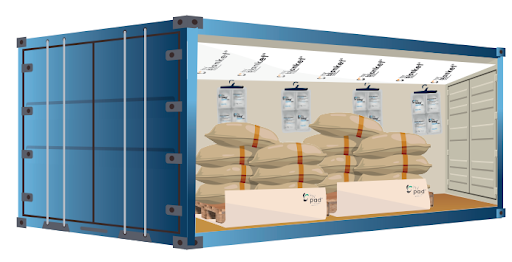
- Desiccant bags: These hanging desiccant bags hook onto the interior walls of your cargo container to absorb excess moisture in the atmosphere. They can absorb up to 3 times their weight in moisture and take up minimal cargo space.
- Desiccant blankets: Desiccant blankets can be draped over the top of your cargo or hung from the ceiling to protect your shipment from container rain. They can absorb up to 30 gallons of moisture.
- Desiccant pads: Line the underside of your pallets with desiccant pads to absorb moisture in the event of a spill or leak.

Shop Moisture Control Products from EPGNA
For custom moisture control solutions that ensure your shipment arrives safely, trust EPGNA. We’ve revolutionized the ways goods ship around the globe with cost-effective solutions. Contact us today to get started.


