

;)
When it comes to container shipments, selecting the right types of packaging materials is one of the most important decisions businesses can make. When chosen correctly, your selection can prevent damage, reduce loss, and maintain your product quality, especially when it comes to long distance shipments.
Depending on your industry, your shipments may face different risks, from moisture and temperature fluctuations to contamination and more. Read on to learn about the common shipping risks in each industry and how different types of packaging materials can promote the best possible outcomes.
Electronics Industry
Electronic shipments are sensitive and high-value. Depending on the shipment, a single container full of electronics may be valued at over a million dollars. A lost or damaged shipment can seriously harm your bottom line. Learn more about different types of packaging to protect electronics from common shipping concerns.
Moisture Control
When shipping electronics, it’s essential to control moisture levels inside your shipping container. Moisture in shipping containers is most commonly caused by dramatic differences in temperatures outside and inside the shipping container, which leads to a phenomenon known as container rain. As moisture literally rains down onto your products, it can cause irreparable damage.
The best type of packaging material to control moisture in your electronics shipment is container desiccant. These materials can absorb several times their weight in moisture, lowering humidity in the atmosphere and preventing container rain. Explore a range of different types of container desiccants, including moisture-absorbing blankets, pads, container liners, and more.
Food and Beverage Industry
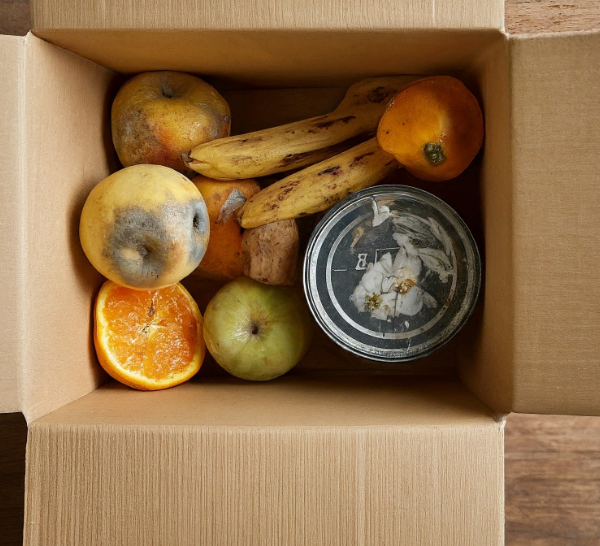
Whether shipping state-to-state or overseas, spoilage is a significant concern when it comes to the food and beverage industry. While highly perishable goods like fresh fruits and vegetables, frozen foods, and meats are of particular concern, all shipments need protection. A single shipment of spoiled food can cause widespread illness and damage seller reputations.
Read on to learn the most common risks in the food and beverage industry and the best types of packaging materials to prevent them.
Temperature Stabilization
Maintaining a consistent temperature is essential when shipping highly perishable foods. Failure to do so can impact the quality of foods and beverages, allow fresh fruits and vegetables to ripen too quickly, and even create breeding grounds for dangerous bacteria.
Thermal insulators are the best types of packaging materials for temperature stabilization. These materials are capable of reflecting up to 97% of heat and come in a range of different shapes and sizes. Cover individual pallets with thermal blankets or line entire containers with thermal liners.
Humidity Prevention
Condensation is a common problem in any shipping container, but it’s a particular concern when shipping perishable foods. As foods ripen, they release water vapor into the atmosphere. When these two sources of humidity combine inside a shipping container, they can promote mold growth on food, rust on beverages and canned goods, and other significant problems.
To protect your food and beverage shipments from moisture damage, combine container desiccants with waterproof container liners that protect your goods from the damp floors and walls of your shipping container.
Agricultural Industry
The US is the leading nation in the agricultural product trade. Agricultural exports in the US were worth a staggering $175 billion in 2024. From grains and legumes to coffee and animal feed, it’s essential to utilize different types of packaging material that mitigate risk in agricultural shipments.
Containment
Containment is critical when it comes to agricultural shipments. Shipments of grains, seeds, and other loose items can leak or spill without proper containment, leading to product loss and damage. Containment also prevents infestation from insects, rodents, and other pests as agricultural goods travel to their destination.
Bulk cargo liners are essential for containing dry bulk goods. Explore liners with optional features like openings for conveyor loading, top and bottom spouts for faster loading and unloading, and polyethylene coated liners to reduce leakage.
Medical Industry
Pharmaceutical products tend to be highly sensitive and have significant regulatory requirements to ensure their safety and efficacy. Shipping these goods overseas requires significant planning and careful selection of different types of packaging materials to meet their unique needs.
Temperature Control
Pharmaceuticals have precise temperature requirements, often within a range of a handful of degrees. To help meet these needs, the best types of packaging materials include a combination of insulating liners and covers, which can help hold temperatures to within 1 degree per hour.
Contamination Prevention
To prevent your pharmaceuticals from becoming contaminated during shipment, explore waterproof container liners that create a solid barrier between your shipment and the outside world. These liners are made with hydrophobic materials to repel moisture and a mold inhibitor to limit mold growth.
How to Choose the Right Packaging Material
Choosing the right type of packaging materials for your shipment begins with understanding the specific risks and requirements. Consider the following factors when selecting your shipping container protection:
- Temperature sensitivity: Do your products need to maintain a specific temperature range? If so, seek out insulating packaging materials.
- Humidity: Will your shipment undergo temperature fluctuations or will your products generate humidity? If so, utilize container desiccants and moisture-controlling liners.
- Shipment distance and route: Different container desiccants perform best under different conditions. Considering the duration of your shipment and expected temperatures along your route can help you determine the best type of desiccant for your shipment.
- Regulatory or industry-specific requirements: Some industries may have specific regulations in terms of acceptable temperature range, packaging requirements, and more. Consider these and choose packaging materials that help you meet these requirements.
Get Custom Shipping Solutions from EPGNA
Shipments are rarely a one-size-fits-all solution. For packaging materials designed to specifically meet your shipment’s unique needs, explore custom shipping solutions from EPGNA. We offer custom sizes and configurations in container liners, desiccants, and other types of packaging materials. Contact us today to find the best custom solutions for your cargo.


