

;)
Most export packaging trend forecasts for 2026 are focused on catchy tech, like smart sensors, AI-powered gadgets, and sustainable materials. While those developments are happening, they’re not the ones shaping exporters’ decisions this year.
For those shipping goods internationally in 2026, every decision is defined by increased risk. Geopolitics have shifted shipping routes, wood packaging inspections have gotten stricter, and port congestion is stretching transit times. Each of these adds more time and more handling to a shipment’s journey.
That’s why the packaging choices that matter most this year are those that protect cargo directly, rather than look flashy. Read on to learn more.
Exporters are Prepared for Greater Risk
2026’s supply chain has been shaped by trade tensions and market volatility, and those trends are expected to continue throughout the rest of the year. Trade disruptions and significant variation in material costs are reshaping the way companies package and ship goods.
In 2026, shipments are more likely to sit longer at a port, get rerouted, or face an extended customs hold. Exporters are prioritizing durable packaging built to last over all else, to withstand extra handling and extra time spent in transit.
Tariffs are Impacting Packaging
Since 2025, tariffs have already reshaped trade between major US markets. Imports and exports between the US and the EU have declined, a direct result of new tariff schedules. Some companies have adapted by selecting new sources for materials and changing shipping routes, which means goods have to travel further, change carriers more often, or spend more time moving in or out of ports.
Each one of these extra steps is another opportunity for damage from moisture or excessive handling. Rather than choosing packaging built to handle a single, predictable route, export packaging trends in 2026 are favoring resistant, long-lasting options.
ISPM-15 Enforcement is Getting Stricter
ISPM-15 governs the treatment and marking of wood packaging materials used in international shipping. Prior to 2026, Customs and Border Protection temporarily paused the enforcement of certain ISPM-15 stamping conventions. Beginning on January 1st, 2026, that enforcement returned in full force, meaning incorrectly stamped packaging could now be flagged as non-compliant. The EU has also increased its rate of wood packaging inspections.
For exporters using wooden crates or pallets, that means a greater likelihood of inspections and risk of compliance mistake, which could result in quarantine, re-export, or destruction of goods.
Port Congestion is Extending Transit Time
Extended transit times are the name of the game in 2026. With the closing of the Suez Canal route, shipments were rerouted around the Cape of Good Hope, adding roughly 10 to 14 days to transit times. Although the Canal has reopened, most major global shippers continue to use alternate routes to avoid the security risks in the Red Sea.
The impacts on shipping times have been dramatic. Earlier in the year, global on-time performance was less than 60%. It’s also led to serious congestion at major ports, extending unloading time to unpredictable lengths. Longer, less predictable transit means packaging needs to withstand a wider range of conditions and more exposure than in previous years.
Longer Transit Times Increase the Need for Engineered Wood Crates
In addition to cargo spending more time in transit and passing through more hands, it’s also being subjected to more forklift lifts, crane transfers, and container stacking. These present some of the most significant opportunities for damage.
To better protect cargo, exporters are trending towards engineered wooden crates that are specifically designed to provide better protection against repeated loading and unloading. In many cases, crates are designed according to the specific weight, shape, and contents of their cargo. This type of structural precaution has become more common in 2026’s shipping conditions.
Container Moisture Control Matters More Than Ever
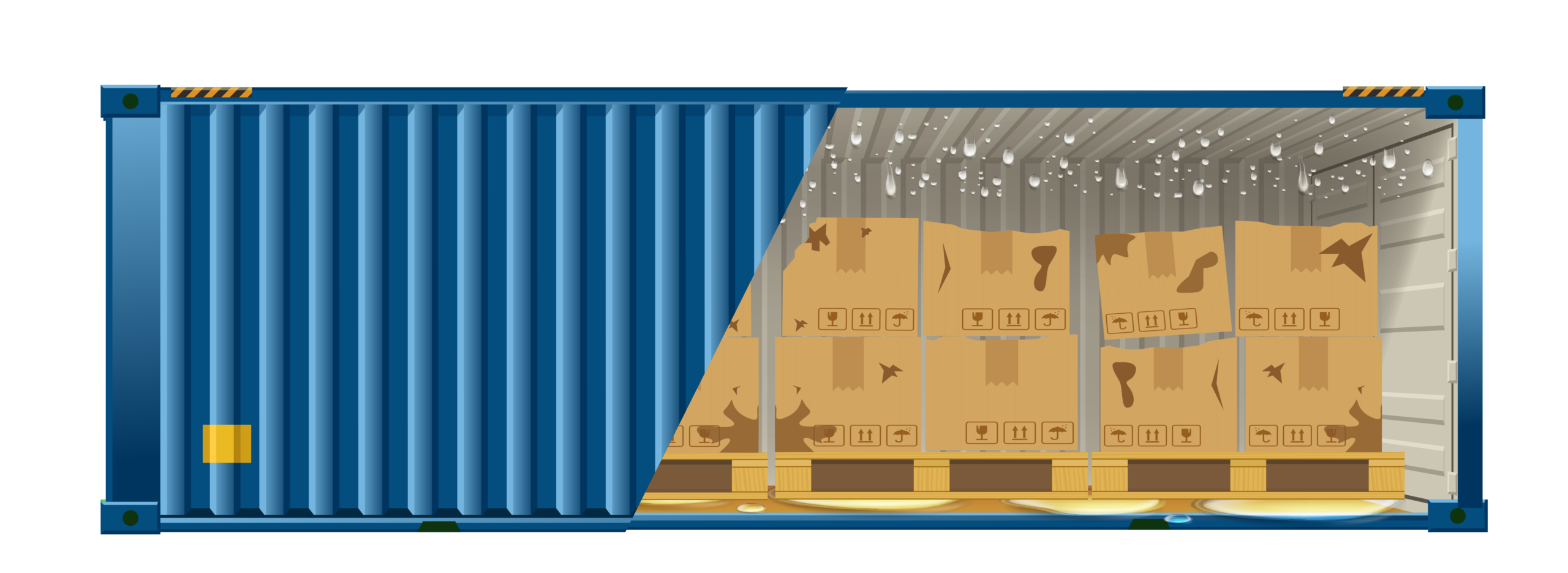
Longer transit times also mean more exposure to condensation and container rain. As sealed shipping containers move through different climates, the air inside warms and cools. This causes condensation to build on the ceiling of the container. When condensation gets too high, it begins to rain down on cargo, causing mold, caking, packaging damage, and product damage.
The longer a container sits at port or travels at sea, the greater the risk of container rain. That means moisture control is more important than ever.
Protect Your Shipments with EPGNA
With tariff volatility, increased ISPM-15 enforcement, and ongoing port congestion, the safest export packaging trend in 2026 is to plan your packaging around a longer, less predictable journey. That means using moisture control and temperature stabilization solutions that can perform over an extended period of time, rather than a set number of days.
At EPGNA, our container moisture control products provide an ideal solution. Choose from hanging desiccant bags, desiccant pads, and desiccant blankets to prevent moisture damage from all angles. Plus, explore solutions to help maintain cold chains, prevent contamination, and more. Contact us today to learn how EPGNA can ensure your goods arrive safely in 2026.


