

;)
Pharmaceutical cold chain management is the practice of maintaining the temperature of pharmaceutical goods throughout the supply chain. It’s imperative in the pharmaceutical industry.
Maintaining a precise temperature range for your pharmaceuticals helps control their efficacy and ensures you deliver effective medical solutions to patients around the world. Without proper cold chain management, you may face costly product loss, significant patient risk, and damaging regulatory breaches.
Read on to learn all about pharmaceutical cold chain management, including its unique challenges, best practices, and solutions for effective management.
What is Pharmaceutical Cold Chain Management
Pharmaceutical cold chain management is the process of monitoring and controlling the temperature of pharmaceutical products. In order to maintain the safety of pharmaceutical products, their temperature must sit within the acceptable range from the time of their production until they are ultimately passed along to the patient.
Unlike other types of cold chain management, pharmaceutical cold chain management is extremely precise. Temperature windows for pharmaceutical products can be as narrow as a few degrees. Because of this, cold chain management for pharmaceutical products relies on advanced equipment, constant, real-time monitoring, and significant oversight.
Pharmaceutical products that rely on strict cold chain management include:
- Vaccines
- Insulin
- Cancer drugs
- Biologics
- Gene and cell therapies
- mRNA-based treatments
Why Pharmaceutical Cold Chain Management Matters
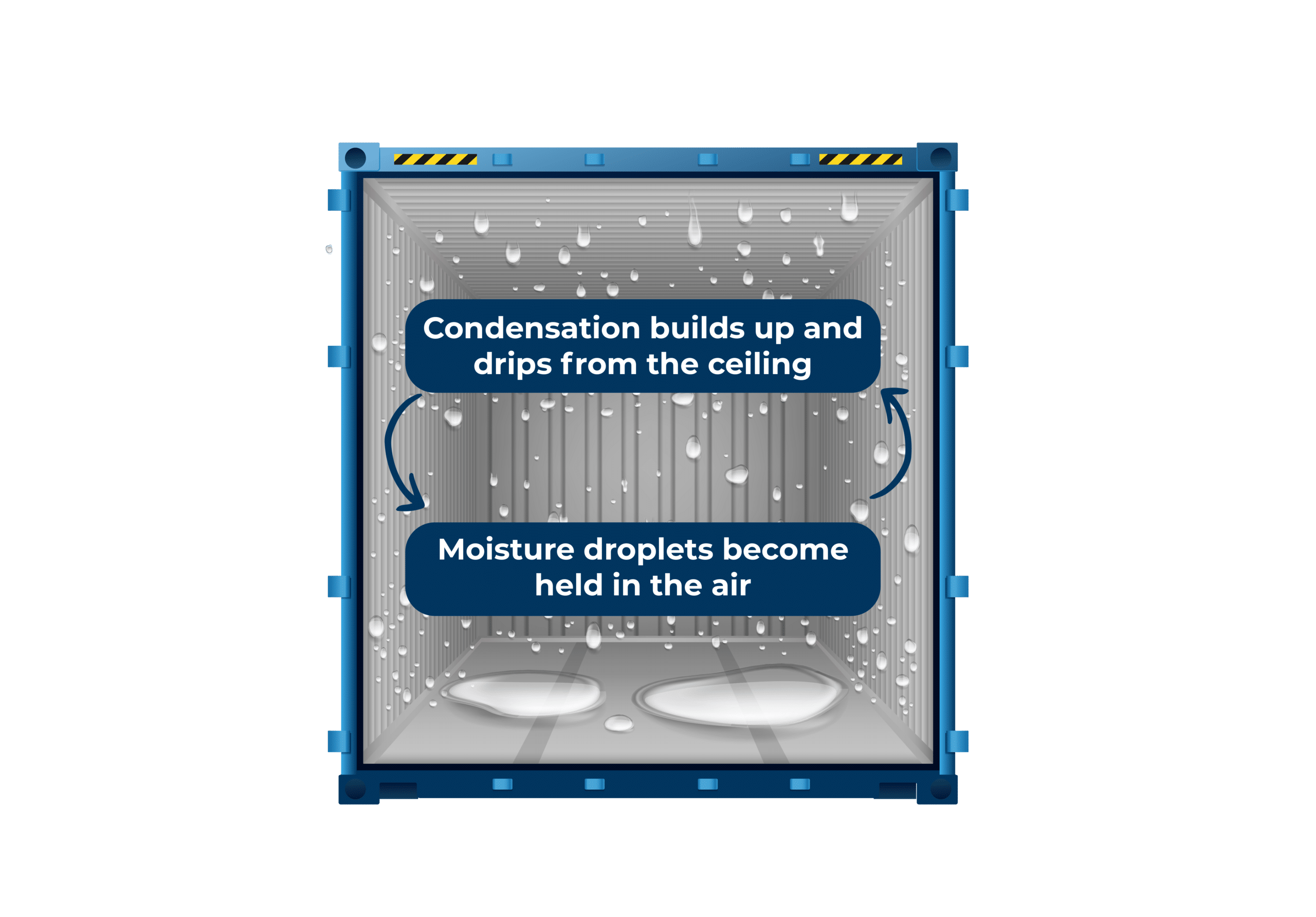
Pharmaceutical cold chain management is very literally a matter of life and death. If pharmaceuticals breach their acceptable temperature range, they may become less effective, entirely ineffective, or even dangerous. If administered to a patient, an ineffective drug can fail to deliver necessary treatments or may even cause harm.
These cold chain management practices are also strictly regulated by the FDA. If a failure to comply is identified anywhere along the cold chain, there may be penalties or drug recalls, which can have serious ramifications on a drug or manufacturer’s reputation.
Primary Challenges in Cold Chain Management of Pharmaceutical Products
Because of its precision and the high stakes involved, cold chain management of pharmaceuticals is an incredibly complex process. Read on to learn the primary challenges posed by cold chain management of pharmaceutical products.
Temperature monitoring
Effective cold chain management requires constant, real-time temperature monitoring throughout a product’s entire lifespan. Whether in storage or moving throughout the supply chain, these products must be constantly maintained in the correct temperature zone. In some cases, products may require ultra-cold conditions of -80C and lower, creating significant temperature demands.
Transportation risks
Effective cold chain management is also imperative when a pharmaceutical product is in transit. Visibility can be a real challenge as a product journeys overseas, through remote regions, and by air. Lapses in real-time data present a serious risk, as it can be impossible to determine whether the cold chain was maintained during the gap.
Loading and unloading of products also poses a significant challenge. It requires specialized warehouses, advanced packaging, and other tools to control temperature.
Regulatory complexity
The cold chain management of pharmaceuticals is managed by organizations like the Food and Drug Administration (FDA), European Medicines Agency (EMA), and International Council for Harmonisation (ICH). Each has rigorous regulatory requirements to ensure these products hare managed safely and correctly.
Pharmaceutical products must be handled according to a set of guidelines known as Good Distribution Practices (GDP). These require robust quality management systems, thorough documentation for every step of the cold chain, and in-depth traceability for every product. By following GDP, pharmaceutical cold chain management meets the regulatory requirements of the FDA, EMA, ICH, and more.
Best Practices for Successful Pharmaceutical Cold Chain Management
While pharmaceutical cold chain management poses a number of serious challenges, it’s possible to meet all industry requirements by adhering to a set of best practices. The following are designed to improve your cold chain management.
Invest in effective packaging
First, it’s important to choose the right packaging and protection for your pharmaceuticals. To maintain the pharmaceutical cold chain while your goods are in transit, invest in thermal insulation for shipment. Thermal blankets, shipping container liners, and pallet covers all help reflect heat and maintain stable temperatures.
Utilize technology and monitoring tools
Next, invest in technology that makes real-time, precise temperature monitoring possible. IoT devices and smart sensors make continuous monitoring possible anywhere around the world. If a set temperature range is breached, these monitors instantly alert. They also create data logs that meet regulatory compliance standards surrounding documentation.
Create standard procedures
Once you’ve built an arsenal of protection and monitoring devices to maintain the temperature of your pharmaceuticals, it’s time to develop standard procedures for their use. Outline how your products should be loaded, unloaded, and handled, and then thoroughly train your team on those procedures. Depending on your product offering, you may train different teams to handle specific products, or you may want to train on all products across the board. Set up QA processes to ensure your SOPs are followed, too.
What to Look For in Your Logistics Partner
Selecting the right logistics partner is central to effective pharmaceutical cold chain management and your peace of mind. Look for these capabilities to find a strong logistics partner.
Industry expertise
When it comes to the transportation of potentially life-saving products like pharmaceuticals, it’s imperative to work with a logistics partner with ample experience in the industry. Cold chain management of pharmaceutical products is very different from that of agricultural products or electronics and requires advanced technology and strict practices. Ensure your logistics partner has a history of success in the field.
Smart monitoring tools
Your logistics partner should offer a suite of smart monitoring tools that offer in-depth visibility for your shipment. A strong pharmaceutical logistics company will provide a centralized dashboard with real-time information about the temperature, humidity, GPS location, and more of your shipment.
Tailored solutions
Look for a logistics partner with the ability to tailor your shipment to the specific needs of your product. They should be able to offer different solutions based on the type of pharmaceutical product you’re shipping, volume, destination, and more.
EPGNA: Your Source for Temperature Controlled Shipping Solutions
Effective pharmaceutical cold chain management begins with the right packaging and protection for your products. At EPGNA, we make temperature controlled shipping solutions designed specifically for the precise needs of medical and pharmaceutical shipments. Discover how we can help you maintain precise temperatures no matter where your pharmaceutical products go. Contact us today to get started.


