

;)
Every step of the supply chain is essential, especially when you’re dealing with temperature-sensitive cargo. These goods must remain within an acceptable temperature range, or risk spoilage, reduced efficacy, or total loss.
Cold chain management is the key to protecting temperature-sensitive shipments. This multi-faceted approach ensures your goods remain within their temperature parameters from their manufacturing until they land in consumers’ hands.
Find out more about cold chain management and how it can help you protect your temperature-sensitive cargo and your bottom line.
What Is Cold Chain Management?
Cold chain management is the process of maintaining stable temperatures throughout packaging, storage, and shipping to protect temperature-sensitive cargo. It prevents damage from extreme temperatures and ensures the quality, safety, and efficacy of products.
Cold chain management relies on a range of different techniques and solutions, including refrigeration and insulation. By combining various cold-chain management solutions, manufacturers and logistics businesses can protect their products and their organizations.
When most think of cold chain management, food and beverage products are the first thing that comes to mind. While these goods do rely on cold chain management, they’re just a fraction of the items that do. There are countless examples of temperature-sensitive cargo, from pharmaceutical shipments to chemicals, cosmetics, and more.
What Industries Rely on Cold Chain Management?
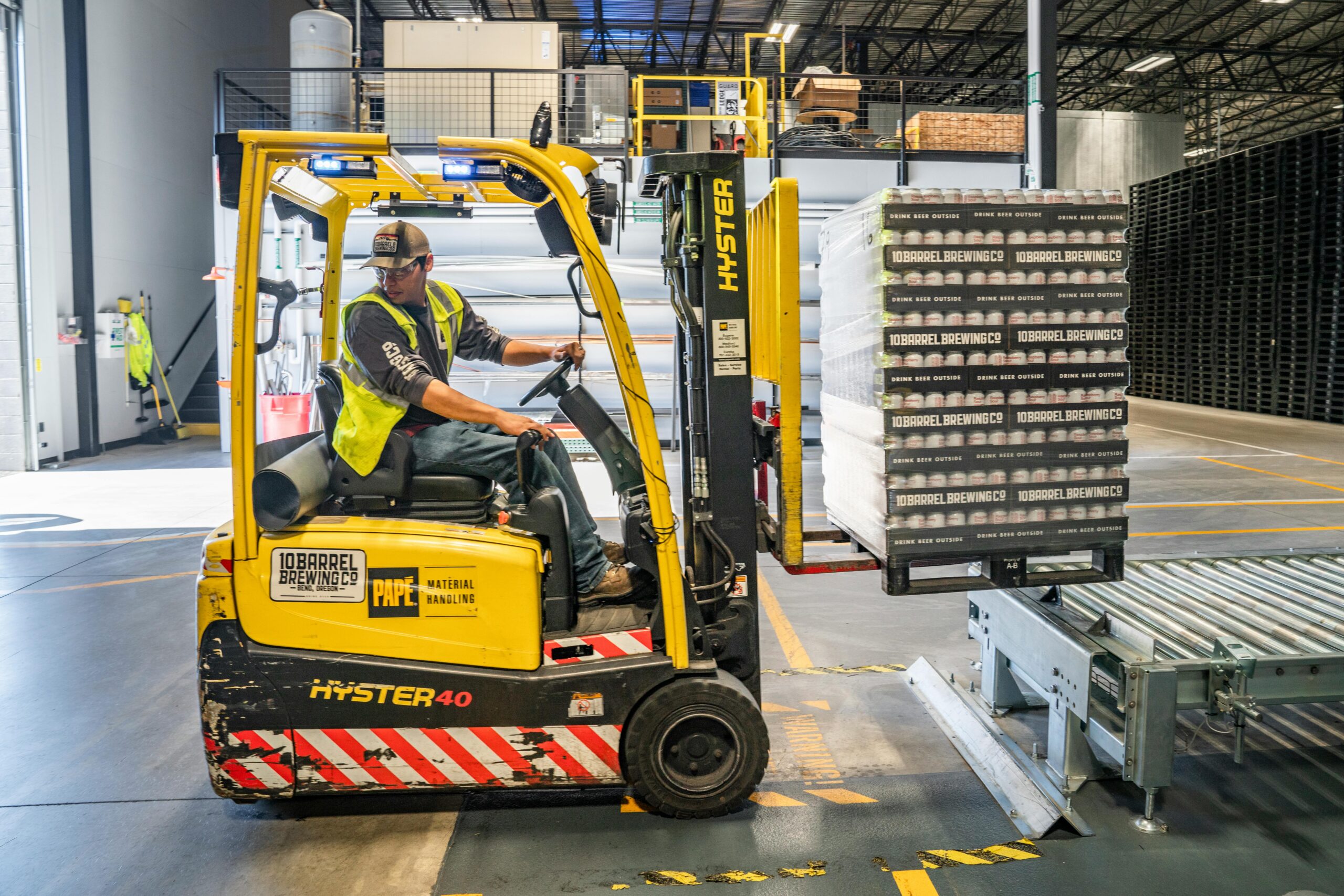
Cold chain logistics play an essential role in countless industries, including everything from food and beverages to plants and perfume. Read on to learn which industries rely on cold chain management solutions.
Electronics
Electronics are sensitive to extreme heat—that’s why computers and TVs have built-in fans that help maintain stable temperatures. The hotter electronic devices get, the shorter their lifespan. In the sun, a shipping container can easily reach temperatures of 130°F or higher. To protect these often-expensive goods, manufacturers rely on cold chain management.
Food & beverages
Cold chain solutions are extremely common in the food and beverage industry. Even food that’s not refrigerated can be spoiled or compromised by exposure to extreme heat. Products that haven’t been properly protected can spoil, stale, or become breeding grounds for harmful bacteria, making consumers sick and damaging reputations.
Medicine & Pharmaceuticals
Pharmaceutical goods like vaccines, cancer drugs, and gene therapies have strict cold chain requirements. Their temperature ranges tend to be quite precise, sometimes only a matter of a few degrees, and may be extreme. Some pharmaceuticals require sub-zero storage of -80°C and lower.
Some medications can degrade when exposed to extreme heat, while others like vaccines and insulin become less effective after cold exposure.Without proper pharmaceutical cold chain management, these drugs may even become dangerous.
Stages of Cold Chain Management
Maintaining the cold chain isn’t just a temporary effort. For safe delivery, businesses rely on multiple stages of cold chain logistics. Temperature-sensitive cargo needs to be protected during every stage of the process, from packaging to shipping.
Packaging
Cold chain logistics begins with the packaging stage. Any potentially temperature-sensitive products should be protected by insulating packaging that helps to maintain a stable temperature. These solutions are made with multiple layers of high-grade aluminium that protect sensitive goods from extreme heat or extreme cold. Choose from thermal blankets that cover smaller packages, pallet liners to protect the entire shipment, and pallet covers that add an extra layer of temperature protection. For your best possible results, use a combination of the three.
Storage
Once you’ve packaged your products, they’ll go into storage until they’re ready to ship. Cold chain-reliant goods should be stored in a temperature-controlled warehouse that can maintain a safe temperature range for your products. Pallet insulation like thermal blankets, liners, and covers can be used to help maintain the cold chain while in storage, too.
Shipping & Tracking
Maintaining the cold chain during shipping is one of the more complex aspects of cold chain management. To ensure the safe delivery of your products, choosing a reliable carrier and leveraging technology to track your shipments is crucial.
To maintain the cold chain, perishable goods like food and medication are typically transported using cold chain solutions like refrigerated trucks or in refrigerated shipping containers. Less sensitive products can be shipped on standard trucks using insulated containers and boxes.
In order to real-time monitor the temperature of your goods during shipment, cold chain logistics rely on internet of things (IoT) technology. A strong logistical partner will offer a centralized dashboard with information about your shipment’s temperature, humidity, GPS location, and other relevant information throughout the entirety of its journey. Monitoring temperatures in real-time is a key part of maintaining safe temperatures, especially for particularly sensitive goods like food and medication.
Common Cold Chain Management Challenges
At Eurolog Packing Group, we understand how challenging cold chain logistics can be. We help you overcome these challenges by providing simple shipping solutions that make your job easier.
Regulations
Cold chain management regulations are one of the biggest challenges when shipping temperature-sensitive goods. Whether you’re shipping prescription drugs or food and beverages, there are cold chain logistics regulations you must follow. These regulations are put in place to protect consumers in the event that temperature-sensitive goods are mishandled. They include:
- 21 CFR 205.50 Minimum requirements for the storage and handling of prescription drugs and for the establishment and maintenance of prescription drug distribution records.
- 21CFR 203.32 Drug sample storage and handling requirements.
- 21 CFR 203.36 Fulfillment houses, shipping and mailing services, comarketing agreements, and third-party recordkeeping.
- 21 CFR 211.150 Distribution procedures.
- 21 CFR Part 11 ELECTRONIC RECORDS, ELECTRONIC SIGNATURES
- Food Safety Modernization Act (FSMA)
- Current Good Manufacturing Practices (CGMPs)
- Foreign Supplier Verification Programs (FSVP)
- Food Safety Plan Builder
- HARPC
- HACCP
Damaged goods
If the cold chain is broken, the consequences can be serious. In most cases, an inability to maintain the cold chain will result in damaged or ineffective goods, resulting in significant losses, reputational damage, and other negative outcomes.
Proper handling
Cold chain shipments need to be handled properly from start to finish to prevent spoiling and contamination. Unfortunately, mistakes often occur during the handling stages of cold chain management. Improper handling can cost you money and compromise the quality of your products. To keep goods fresh and prevent damage, everyone has to be on the same page. This is why it’s so important to develop standard practices for cold chain logistics.
Cold Chain Packaging Solutions
Cold chain packaging isn’t as simple as using an insulated shipping container. Choosing the right packaging depends on the sensitivity of the products you’re shipping. There are two types of cold chain packaging: active and passive.
Passive cold chain packaging
Passive cold chain packaging is a cost-effective choice for low-risk or less sensitive goods. It’s used to maintain Controlled Room Temperature (CRT) shipping requirements, during which goods must be maintained between 15°C and 25°C.
Passive shipping containers use insulated liners and blankets, gel packs, or dry ice to maintain CRT. These cold chain management solutions are rated based on how long they can hold a specific temperature. Choosing the right passive cold chain container is a key part of making sure every shipment arrives safely.
Active cold chain packaging
Active cold chain packaging uses a cooling or heating system to maintain a specific temperature with little fluctuation. Active containers are an ideal solution for high-risk products that have more precise temperature needs.
Active containers are powered by electricity, a battery, or both. They also include real-time monitoring systems. If temperatures fluctuate too much, an alarm will notify you and a standby system will activate to make sure your cargo stays cool.
While active containers are more effective in terms of maintaining consistent temperatures, they’re more expensive than passive cold chain management solutions. Active containers are typically rented or leased due to their higher cost.
Digital Technology in Cold Chain Management
Digital technology cold chain management solutions enable real-time tracking of products as they make their way across the country. They’re an effective solution to protect sensitive cargo, particularly that which requires thorough documentation and other regulatory compliance. Here’s how it works.
Location Tracking
Accurate location tracking helps you ensure your cargo is on schedule, which is particularly important with passive cold chain packaging. Unexpected delays may push your cold chain management solutions beyond their capabilities, resulting in failures.
Trucks are equipped with GSM/GPS that displays the real-time position of the vehicle and sends location data to the carrier’s internal system. From there, you can use your tracking number to figure out where your package is currently. Battery-powered GPS devices can attach to individual packages to provide real-time tracking information for packages transported by truck, ship, or rail.
Temperature Monitoring
Temperature monitoring enables real-time temperature readings and sends alerts when there’s been a major fluctuation.
Bluetooth temperature sensors are the most common cold chain logistics solution for temperature monitoring. These devices can be used to collect temperature and humidity data that can be accessed via smartphone or wireless scanner. By connecting it to IoT infrastructure, your Bluetooth data can be collected and stored on the cloud, enabling you to access reports and real-time temperatures without being physically near a BLE device.
Simplify Cold Chain Logistics With Eurolog Packing Group
Whether you’re shipping food, medicine, or electronics, cold chain logistics play a key role in protecting your cargo. Choosing the right packaging, continuously monitoring temperatures, and properly handling products can help you minimize losses and ensure the safe delivery of your cargo.
Need help with cold chain logistics? Eurolog Packing Group is here to lend a hand. We offer several innovative shipping solutions to protect temperature-sensitive cargo, including Temcore covers, liners, and blankets. We even offer custom shipping solutions that we can tailor to meet your needs.
Contact us to learn how our shipping solutions can help you save money and safely ship high-risk cargo.


